Understanding iOS App Development Cost Factors in 2026
Learn what drives iOS app development cost in 2026, from Swift coding and UI/UX design to App Store deployment, timelines, and pricing for native apps.
Share This Article
Introduction
In the fast-evolving tech landscape of 2026, understanding the cost to develop an iOS app is more critical than ever. Whether you’re a startup or an established business, navigating the complex world of app development costs can make or break your project.
This guide is here to help. We'll break down the variables that influence iOS app development costs, explore pricing models, and share practical tips to help you budget effectively. From Swift programming to UI/UX design and App Store deployment, you’ll gain a deeper understanding of where your investment goes. Let’s dive in.
What is iOS App Development?
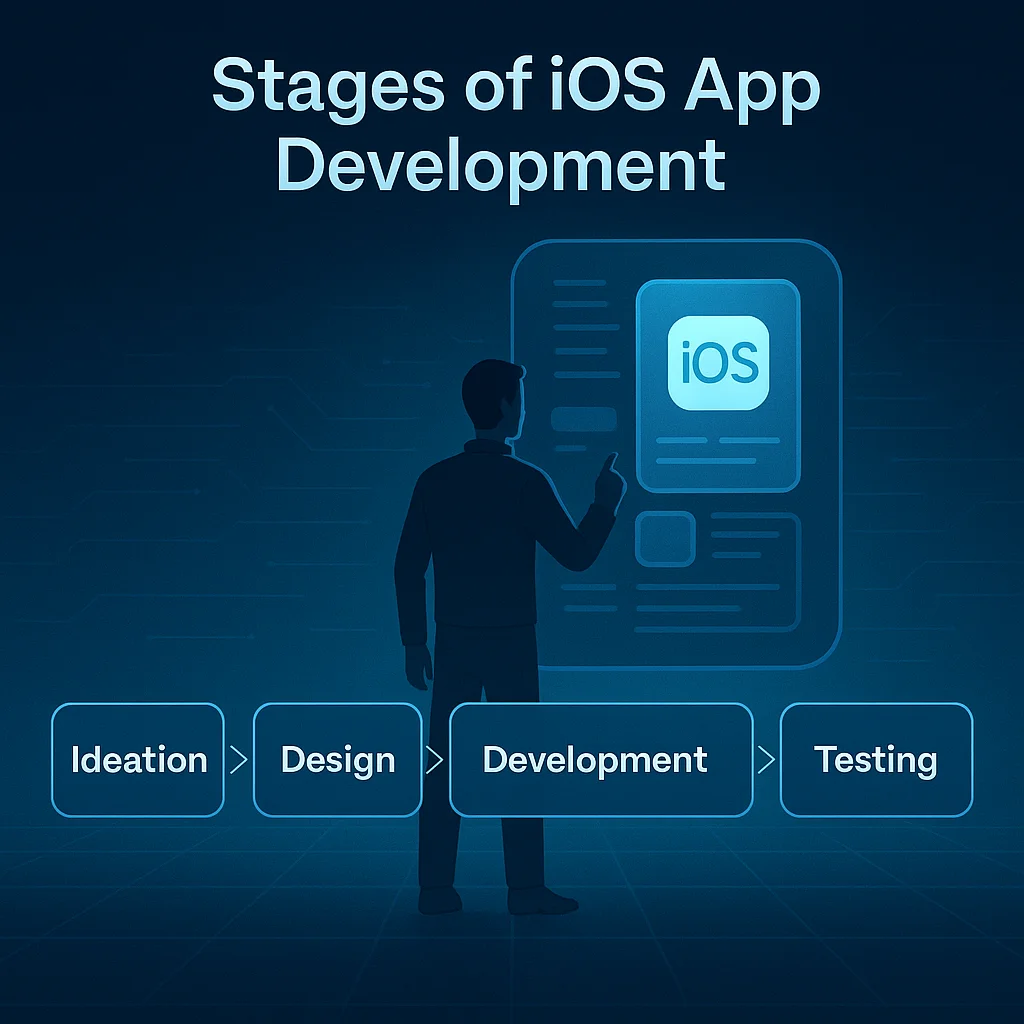
iOS app development in its most basic form is creating applications for Apple's iOS platform, iPhones, iPads, and a few other Apple gadgets. It is accomplished by using developer software like Xcode, coding languages like Swift, and occasionally Objective-C.
Developing iOS usually involves the following:
- Ideation: Determining your app's initial purpose and requirements.
- Design: Creating wireframes and prototypes with a UI/UX design emphasis.
- Development: Writing code in Swift or Objective-C, bringing features to life, and creating the backend.
- Testing: Seamless performance and ease of use.
- Deployment: Posting the app on the Apple App Store.
Why Understanding iOS App Development Costs Matters
Developing an iOS app isn’t just about writing code—it’s about strategic planning and financial management.
- Financial Planning: Accurately estimating costs helps prevent budget overruns and ensures a smooth development process.
- Competitive Advantage: Knowing what the market charges can help balance cost-effectiveness with high quality.
- Managing Expectations: Understanding costs ensures alignment between your app's scope and deliverables.
For businesses targeting the Apple ecosystem, ignoring the nuances of cost can lead to scope creep, delays, and overspending. A well-managed approach secures better outcomes for your project.
Factors Affecting iOS App Development Costs
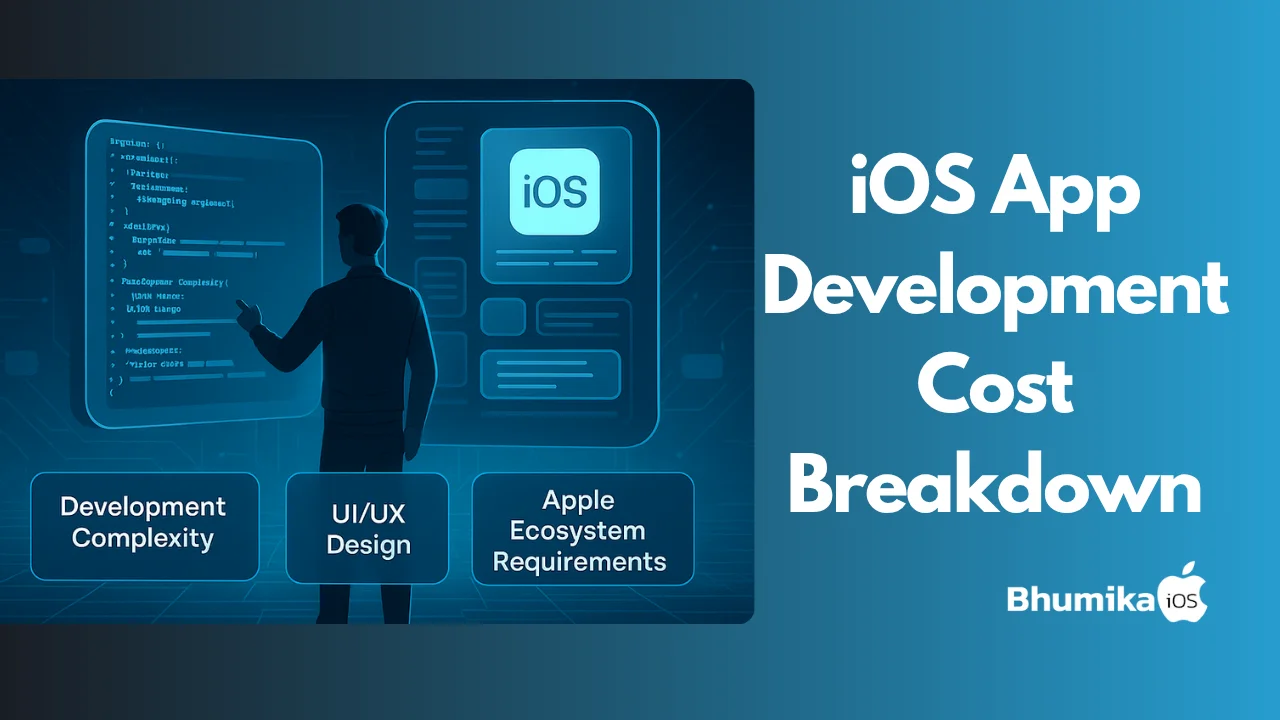
There are certain parameters that influence the overall cost of developing an iOS app. Here is what you need to consider:
1. Development Complexity
- Simple Apps: Apps with standard functionality and fewer integrations are the least expensive.
- Complex Apps: Apps with sophisticated features like AI, Core ML, or Apple Vision Pro require specialized expertise—this contributes towards development time and cost.
2. UI/UX Design
Creating beautiful and user-friendly interfaces can create a significant cost gap. An SwiftUI-based UI/UX design favors retention and usage but requires design expertise.
3. Apple Ecosystem Requirements
Developing a native iOS app means optimization for Apple platforms, features, and hardware. This includes adhering to strict standards, mass availability on the App Store, and using tools like the iOS SDK.

Pricing Models for iOS App Development
Choosing the right price model can actually have a significant impact on your project flexibility as well as budget. Below is a recap:
1. Fixed Price Model
- Ideal for projects with specified requirements.
- Costs are known but with limited flexibility in development.
2. Time & Materials Model
- Charged on an hourly basis and effort put into it.
- Ideal for projects that will likely experience changes during development.
3. Dedicated Team Model
- Best if you need a long-term team of skilled app developers.
- It makes expert developers available but requires ongoing investment.
Benefits of Investing in Quality iOS App Development
As much as iOS app price potential is so high, quality development worths more than the cost in the long term:
- Higher ROI: AA well-developed and functional app returns more users, translating to higher revenue.
- Improved Brand Image: Interactive, instinctive apps cast a positive light on your business.
- Global Reach: Apple App Store places you at the fingertips of millions of users worldwide.
Challenges in iOS App Development
iOS app development is not without its challenges. A few of them include:
- Keeping Up with Technology: Regular updates of iOS, Xcode, and mobile app frameworks require developers to keep pace.
- Resource Allocation: Skilled talent with proficiency in iOS developer tools and the Swift programming language could be difficult to find.
- Strict App Store Policies: Apple's rigorous review procedures can require multiple attempts at submission, delaying deployment.
Tools and Technologies Impacting Development Cost
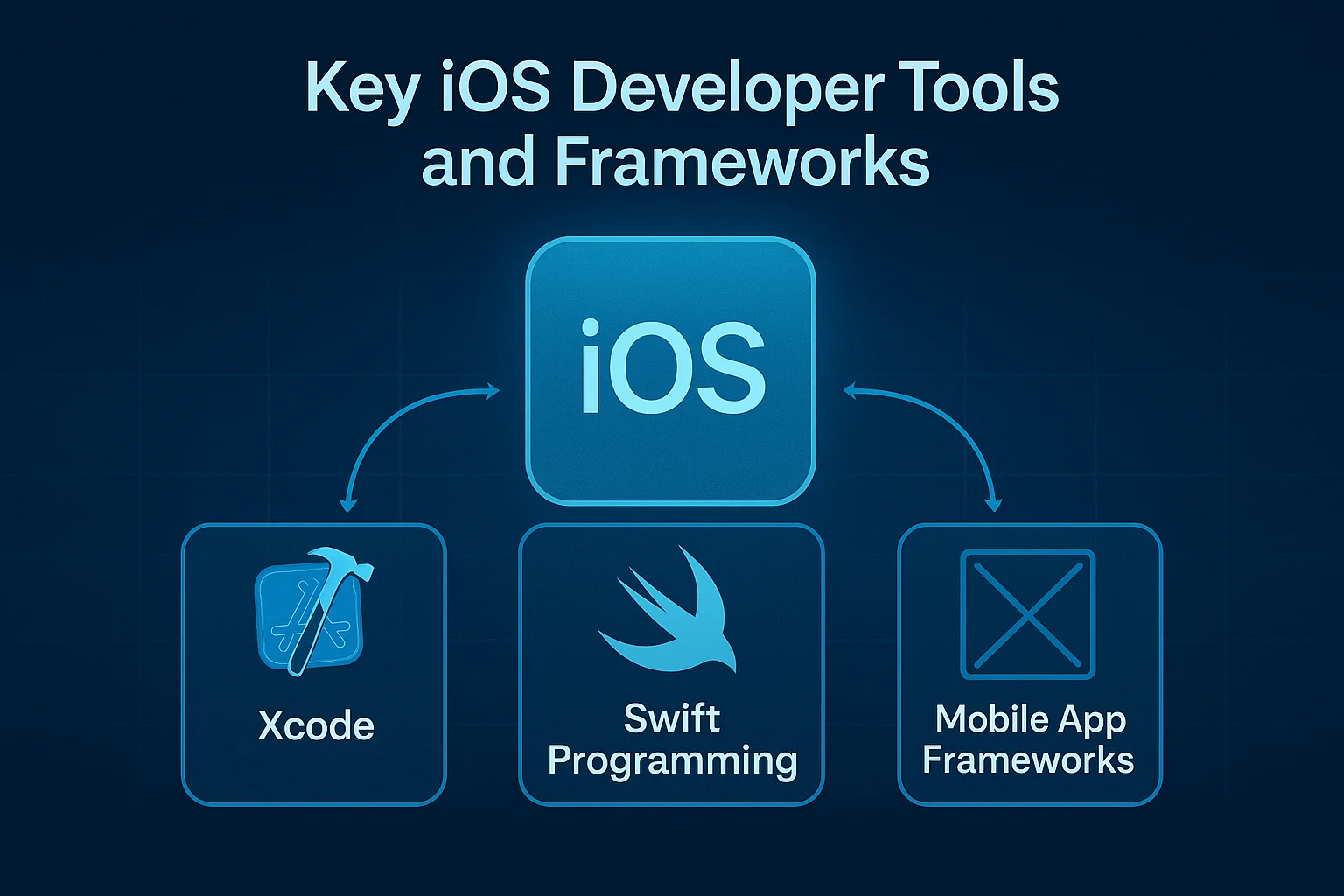
When creating an iOS app, developers rely on modern tools and frameworks, which could account for varying costs:
- Xcode: Apple's official IDE for app development.
- Swift Programming: A faster and safer language for development.
- Mobile App Frameworks: Frameworks like SwiftUI enhance design capabilities and reduce coding time.
Trends in iOS App Development Costing in 2026
Looking ahead, several trends will shape how much you’ll spend on an iOS app:
- AI & ML Integration: While initially costlier, AI/ML features powered by Core ML can reduce long-term maintenance costs.
- Privacy Enhancements: Conforming to Apple's strict data privacy standards may be expensive but will enable market trust.
- Cross-Platform Considerations: Developing for both Android and iOS is resource-intensive but offers broader exposure.
Best Practices for Managing iOS App Development Costs
Stay proactive about your budget with these tips:
- Comprehensive Requirement Analysis: Define a clear scope to avoid unnecessary changes.
- Agile Development: Divide the project into sprints to ensure you’re always on track with timelines and costs.
- Regular Cost Audits: Monitor expenses throughout the development lifecycle to maintain control over your budget.
Conclusion
Navigating the cost to develop an iOS app in 2026 requires careful planning and strategic decisions. From understanding pricing models to anticipating challenges, having clarity can make all the difference.
Partner with BhumikaiOS to bring your app vision to life. With expertise in SwiftUI, Core ML, and cutting-edge technologies, we empower businesses to create scalable and innovative iOS apps.

Author Info
Bhumika Patel
Senior iOS Developer & Educator
Bhumika Patel is a senior iOS developer with over 4+ years of experience building successful applications for companies like Apple and Google.
Frequently Asked Questions
Find answers to common questions about the topic.
iOS app development is the process of creating applications for Apple's iOS operating system, used on iPhone, iPad, and other Apple devices. This involves using tools like Swift programming, Xcode, and complying with Apple's guidelines to ensure app approval on the App Store.
Understanding the costs involved in iOS app development helps businesses plan their budgets effectively, allocate resources wisely, and optimize the return on investment by making informed decisions throughout the development process.
Key factors include the complexity of the app, design requirements, integration with other systems, use of native or hybrid frameworks, the experience level of developers, and necessary post-launch support.
Common pricing models are fixed price, time and material, and dedicated team models. Each offers distinct advantages depending on project scope, flexibility, and duration.
Investing in high-quality iOS app development ensures better performance, higher user satisfaction, easier scalability, and greater acceptance rates on the Apple App Store, ultimately leading to improved business outcomes.
Related Articles
Continue your iOS development journey with these related articles.