Why Businesses Choose iOS Over Android for Mobile App Development
Learn why businesses choose iOS over Android for mobile apps, from security and UX to Apple ecosystem advantages, App Store revenue, and native Swift apps.
Share This Article
Introduction
In today's fast-changing technology landscape, companies encounter numerous make-or-break junctures, but few are as crucial as deciding on a suitable platform for mobile app development. Let's be frank, in iOS vs Android for business,the fight is rabid but necessary. Why? Because the choice can make a real difference in your app's success, user interaction, and overall ROI.
In this blog, we'll go in-depth about why a vast majority of businesses prefer iOS app development, from its more secure nature, effortless integration with the Apple ecosystem, industry-leading UI/UX design, and so forth. Whether startup or enterprise, you'll have useful insights to make an informed decision regarding your business app strategy.
What is iOS vs Android for Business?
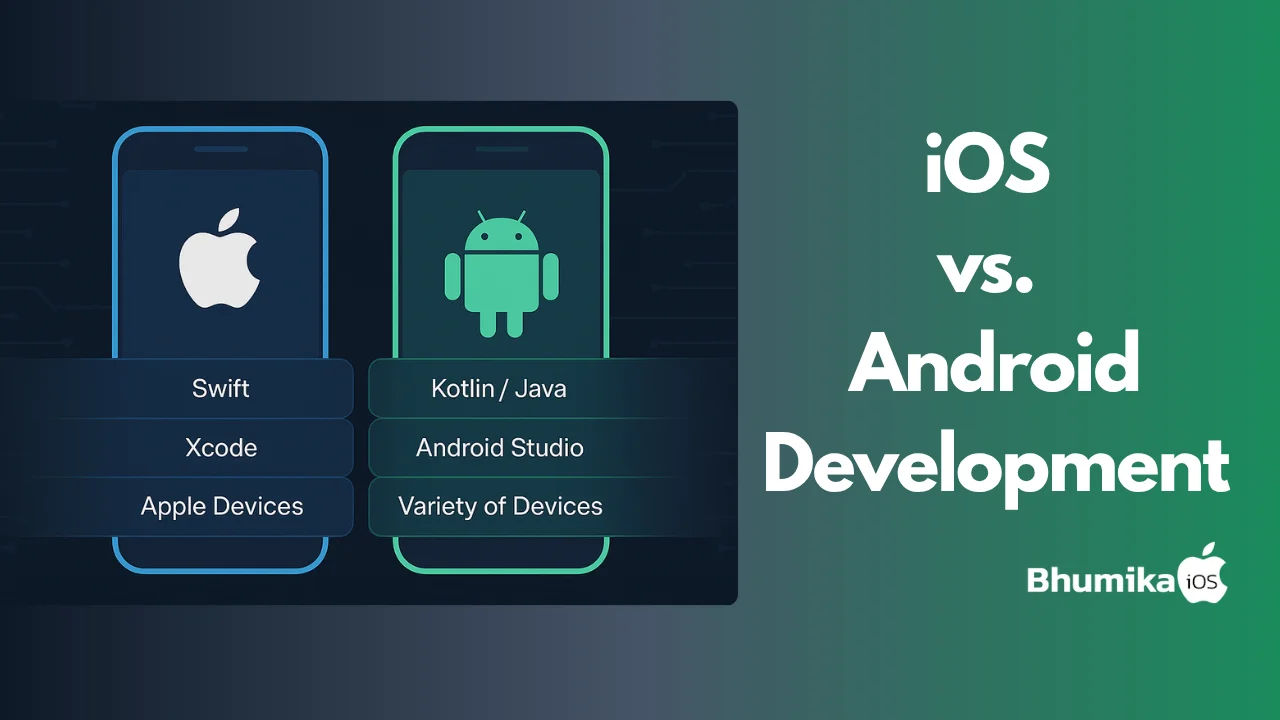
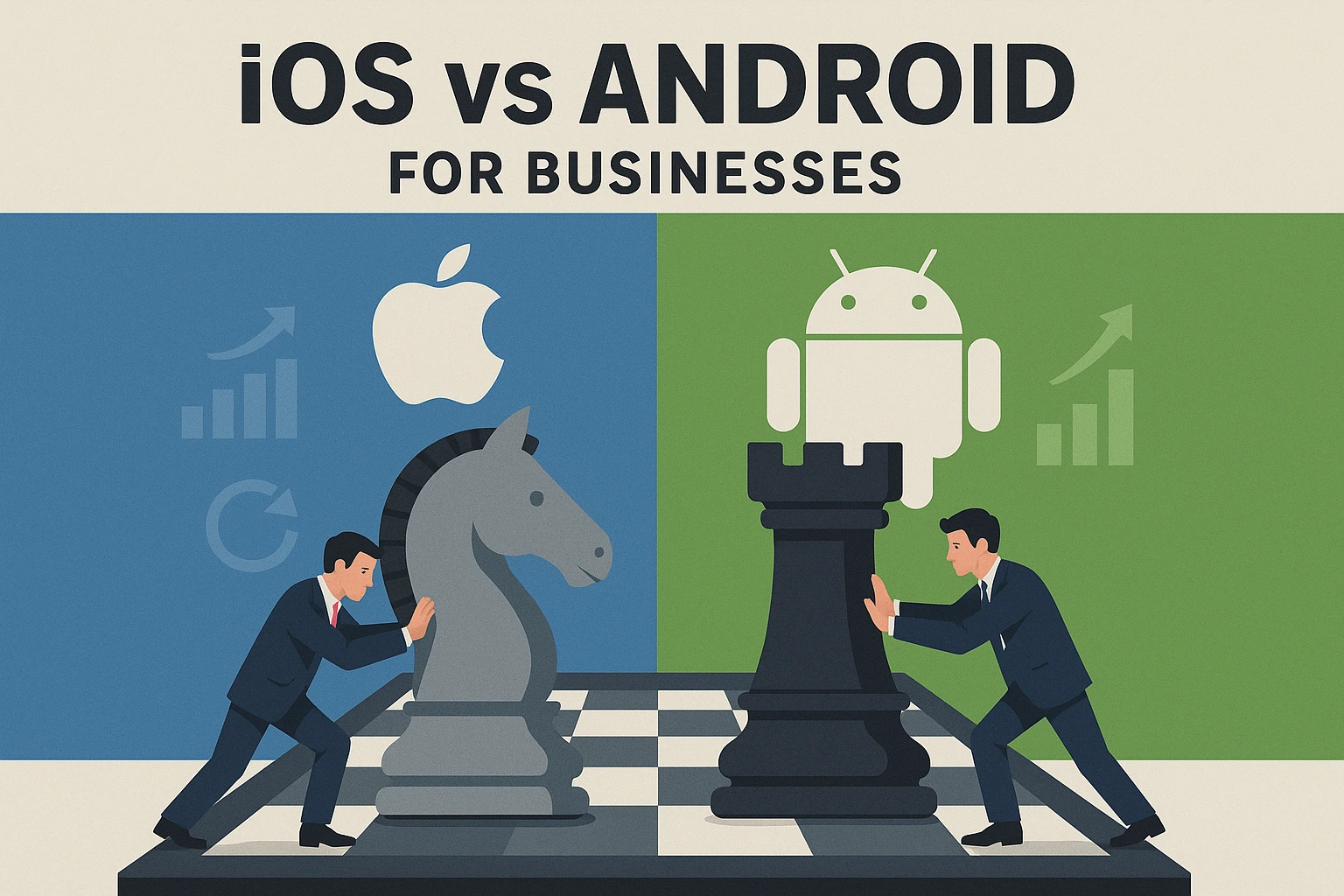
The battle between iOS and Android for mobile app development is a tech showdown for the ages. For companies this decision determines the design, functionality, market, and long-term sustainability of the app. Quick summary of their main differences:
- Platform Fragmentation iOS provides homogeneous hardware and software across its ecosystem, whereas Android's ecosystem cuts across several manufacturers and thus fragmentates.
- Security Standards iOS is typically seen to be more secure because of Apple's strict app testing procedure and closed system.
- User Demographics Users of iOS are willing to spend more on applications, so it's especially appealing for high-end business solutions.
Choosing between iOS and Android is not just about tech specs; it’s about aligning the platform architecture with your business goals, improving operational efficiency, and engaging your customers on a deeper level.
Understand the key differences between iOS and Android for your business needs.

Why iOS Matters for Business Development
Choosing iOS for your business application is not a question of personal preference it's a strategic decision that can reveal unmatched advantages.
Let's break these down.
1. Unmatched User Experience
Apple’s laser focus on UI/UX design ensures smooth, consistent experiences across all their devices. With native iOS apps, businesses can deliver stunning interfaces and intuitive navigation that delight users.
2. Industry-Leading Security
iOS's robust security platform provides significant protection to business.
Data encryption, secure boot chain and restricted app permissions protect sensitive information—critical for apps that handle financial matters,healthcare information or sensitive company information.
3. Seamless Apple Ecosystem Integration
Apple ecosystem allows business to offer seamless integration between devices—think MacBooks,iPads,Apple Watches and so on. Integration increases productivity,especially for companies already using Apple's product line.
How to Leverage iOS for Business Success
Thinking of diving into iOS app development? Here are the tools and strategies that make it all possible.
Swift Programming
Swift, Apple's coding language, is popular because it is speedy, secure, and modern in syntax. It allows developers to write dynamic iOS applications easily, and businesses can bring their ideas to life swiftly.
Xcode Development Environment
From coding to debugging to testing, Xcode simplifies the entire development process. With its simplicity and compatibility with iOS SDK, it is the darling of iOS app developers.
Apple App Store Deployment
Publishing your app on the App Store has a streamlined but rigorous process that tries to uphold high standards of quality. As challenging as it is, this screening process ensures your app is superb at being reliable and secure.
Discover how iOS can drive your business growth and innovation.
Benefits of Choosing iOS for Mobile Apps
With so many platforms available, why does iOS remain a favorite for businesses? Let’s explore some standout advantages:
1. App Market Premium
Apple App Store has a richer, more engaged user base. hat makes it an ideal marketplace for apps with high-end services or in-app spending.
2. Design Excellence
Apple's UI/UX strategy is unparalleled.Apps built for iOS are easy to use, visually stunning and offer a uniform experience—critical to drive user retention.
3. Developer Tools
Using software like Swift, Xcode and the robust iOS SDK, developers can efficiently create scalable mobile applications with advanced features.
Challenges in iOS Development
While iOS offers many perks, it’s not without its hurdles. Being aware of these can help businesses plan strategically.
1. Cost Implications
Developing an iOS app, especially with premium features, can be more expensive compared to Android. However, the ROI often justifies the higher upfront cost.
2. Advanced Learning Curve
Mastering tools like Objective-C, Swift, and the iOS development process can be challenging for businesses just starting out.
3. App Store Approval
Apple’s stringent approval guidelines ensure app quality but can delay your app’s launch if it doesn’t meet their standards. Planning ahead is key.
Unlock the potential of iOS for achieving your business success.
Real-World Examples of Successful iOS Business Apps
Don’t just take our word for it. Here are some businesses that flourished with iOS:
- Uber: Leveraging iOS's streamlined UI/UX to improve user engagement.
- Starbucks: Seamlessly integrating with the Apple ecosystem for frictionless payments.
- Slack: Utilizing the robust iOS SDK for real-time communication features.
The Apple ecosystem and mobile app frameworks played crucial roles in these successes.
Tools and Technologies for iOS Development
To excel in iOS app creation, your toolkit matters. Here’s what you need:
- iOS SDK: Powers efficient app development with APIs and libraries.
- Third-Party Tools: Leverage frameworks like Realm or Firebase for added functionality.
- Continuous Integration: Use platforms like Jenkins or Travis CI to streamline code building and deployment.
Explore the benefits of iOS to enhance your mobile app strategy.
Trends in iOS App Development for 2026
The world of app development is always evolving. Here’s what’s trending:
- AI and Core ML Integration: Personalizing user experiences with AI.
- Augmented Reality: Immersive AR apps powered by Apple Vision Pro.
- Privacy Enhancements: Expect even stronger security measures from Apple.
Best Practices for iOS App Development
To build a winning iOS app, follow these best practices:
- UI/UX Design Principles: Adhere to Apple’s design guidelines for seamless interfaces.
- Swift & Objective-C Coding Standards: Maintain clean, easily scalable code.
- App Optimization: Prioritize speed, stability, and battery efficiency.
Identify and overcome challenges in iOS development with ease.
Conclusion
When it comes down to iOS vs Android for business, iOS stands out for its exceptional security, stellar UI/UX design, and seamless Apple ecosystem integration. While it requires an upfront investment, the higher ROI, premium customer base, and cutting-edge tools make it a winning choice for businesses.
Ready to start your iOS app development journey? At BhumikaiOS, we specialize in building native iOS apps, offering services like SwiftUI UI/UX design, Core ML-powered AI integration, and scalable app architecture. Get in touch with us today ➡️ and let’s innovate together!

Author Info
Bhumika Patel
Senior iOS Developer & Educator
Bhumika Patel is a senior iOS developer with over 4+ years of experience building successful applications for companies like Apple and Google.
Frequently Asked Questions
Find answers to common questions about the topic.
Businesses often choose iOS over Android for app development due to its strong security features, excellent user experience, and the ability to seamlessly integrate with Apple's ecosystem. These factors contribute to higher user satisfaction and retention, which are critical for business success.
The Apple ecosystem offers businesses the advantage of seamless integration across devices, enhanced security protocols, and access to a loyal user base. This results in consistent user experience and simplifies multi-device strategies for businesses.
Swift programming benefits iOS app development by providing a fast, safe, and modern coding environment that enhances performance and reduces common errors. Its simplicity and efficiency make it a favorite among developers for creating robust iOS applications.
Essential tools for iOS app development include Xcode, the iOS SDK, and UI/UX design tools. Xcode provides a complete development environment, while the iOS SDK offers necessary software components. UI/UX design tools ensure that apps meet user expectations for aesthetics and usability.
The App Store is often preferred for business apps due to its rigorous quality and security standards, which enhance trust and credibility. This platform ensures that apps meet high standards, attracting users who value reliability and performance.
Related Articles
Continue your iOS development journey with these related articles.